Chaya as chicken supplement
Apr 16, 2026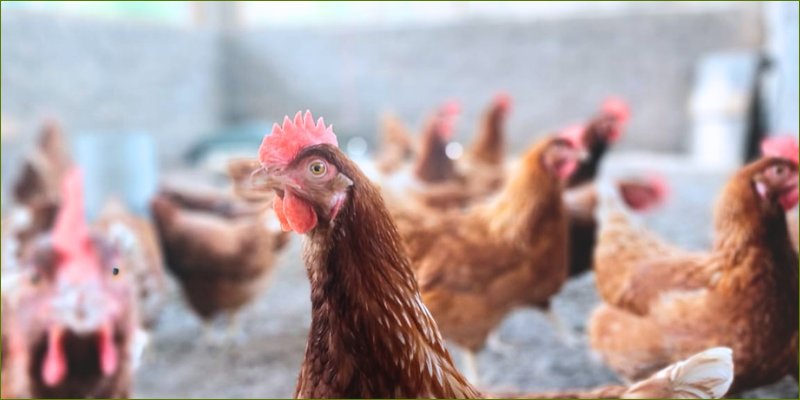
We are always making small changes around the farm to improve how things work day to day. A slight adjustment in feed, a different way of propagating, or even just trying something simply because we are curious. Sometimes nothing much comes of it. Other times, the results are greater than expected and those now become the new way going forward
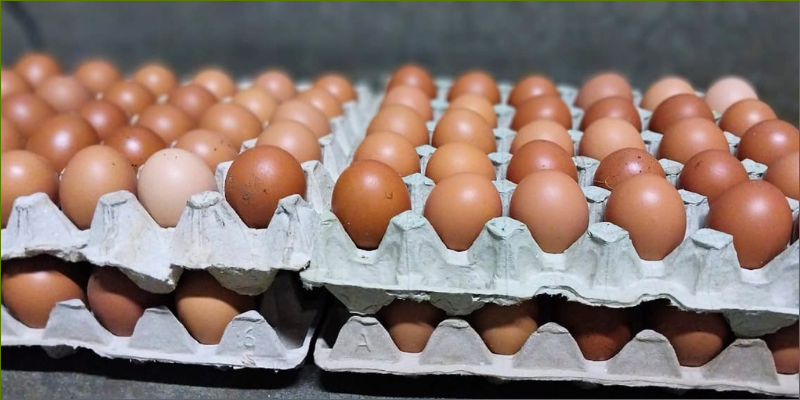
Recently, one of those changes has been the more consistent use of chaya in the chickens’ diet. We have used it before across the farm, but this time it became a regular supplement rather than something we do occasionally. Not long after, we started noticing a steady improvement in egg production and overall healthier looking birds. The difference we are seeing with this regular supplementing has been clear enough to know it is something worth continuing.
Chaya is one unique, easy to maintain plant that clearly does a lot. It grows easily even in the tough Kalahari conditions, and once it is established, it keeps producing without much effort. That alone makes it useful especially in a region where most vegetation wouldn’t thrive. But what makes it even more valuable is what it offers nutritionally to both the animals and us.
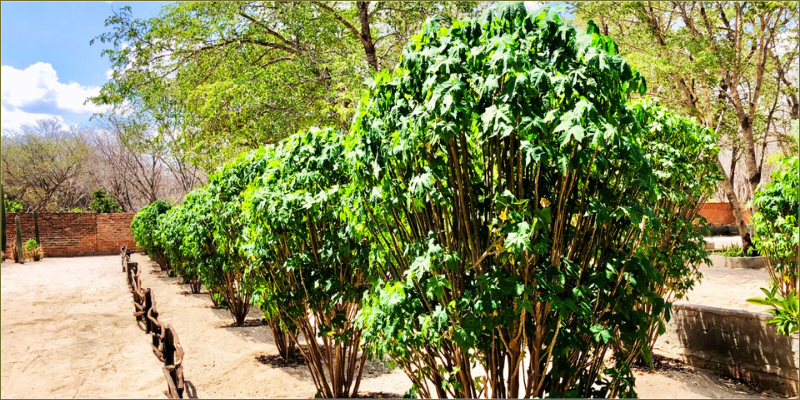
Working with chaya, though, always comes with a bit of awareness. As we have shared before in a different blog, it needs to be prepared properly before being eaten by people or animals. Chaya contains cyanide! This built-in defense is what keeps pests away. This means that this extra step in preparation is a very necessary part of the process.
Beyond the chickens, chaya continues to be one of the most useful and reliable plants on the farm. It finds its way into meals at Gobelo Restaurant. After a quick ten-minute boil to remove the cyanide, it transforms into a delicious, nutrient-packed addition to meals. It also finds its way into other livestock feed, and even into conversations with visitors who are often surprised by how much one plant can do. From something that started as a small gift, a single sturdy branch from a friend to Elisabeth that was planted in the Kalahari sands, that branch has since blossomed into a flourishing grove of chaya trees at Gobelo Farm. Each tree stands as a testament to resilience, resourcefulness and the power of nature. Chaya grows where many plants struggle and gives back in multiple ways. In this case, it has greatly improved our egg production without needing much extra effort or major changes.
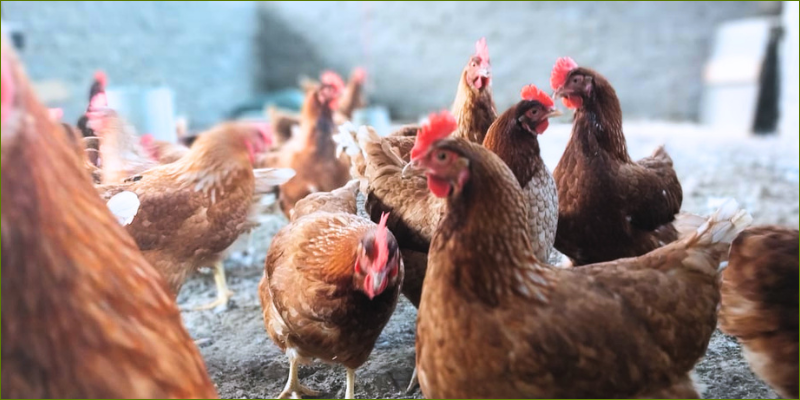
The chickens are looking healthier and chirpier than ever, and our organic egg baskets have never been fuller. We have been serving as many eggs as we can at the restaurants and experimenting with different recipes that make the most of them. We will definitely be continuing this approach, and hopefully when you come for a tour of the farm, you can get to enjoy a delicious meal that includes them.
Until next time,
the Gobelo Team