Dete and the many attempts to grow food
Jul 09, 2026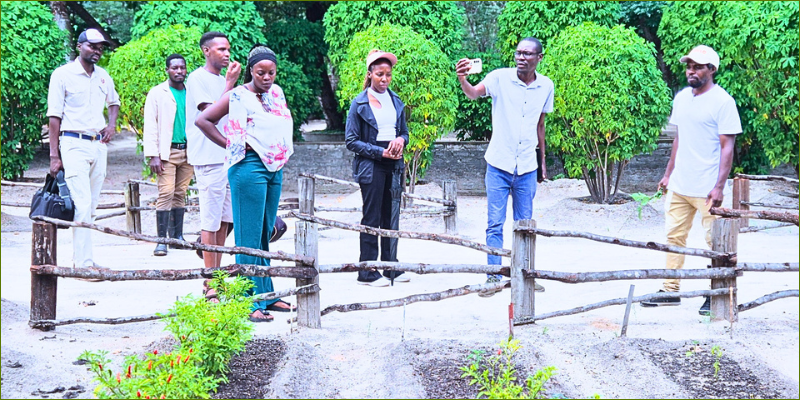
If you spend enough time around Dete, you quickly realise that growing food here has never been straightforward. People often say nothing grows in these Kalahari sands, and when you first look around, it is easy to understand why. The soils are sandy and water is something that is always on people's minds. Yet despite these challenges, people have never stopped finding ways to grow.
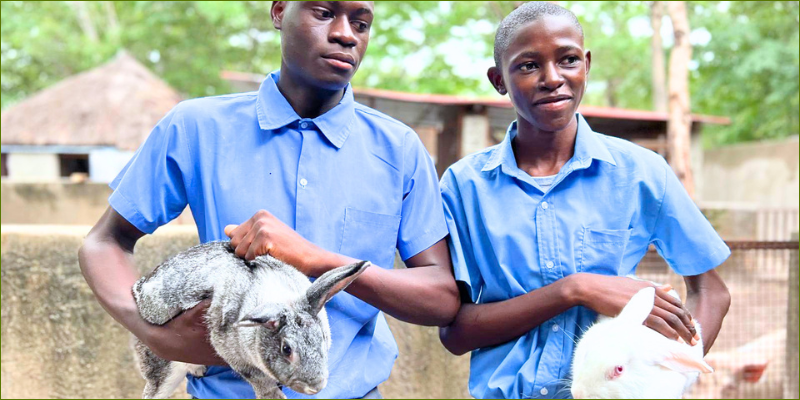
Over the years, different ideas and projects have come and gone as people searched for ways to improve local food production. One of the most successful efforts for many years was led by the Catholic sisters in Dete. Through their mission, they developed productive vegetable gardens, poultry projects and other agricultural initiatives that helped supply food to the surrounding community. Like many others working in this region though, they were eventually faced with the same challenges that affect almost everyone here, and their agricultural and food production significantly reduced. The recurring droughts, resource and funding shortfalls, shift to emergency aid because of widespread crop failures, ecological degradation…made it increasingly difficult to maintain those projects at the same scale. Even so, their willingness to keep adapting never disappeared. At one point, they even visited Gobelo Farm to learn more about rabbit production as they explored new ways of strengthening local food systems.
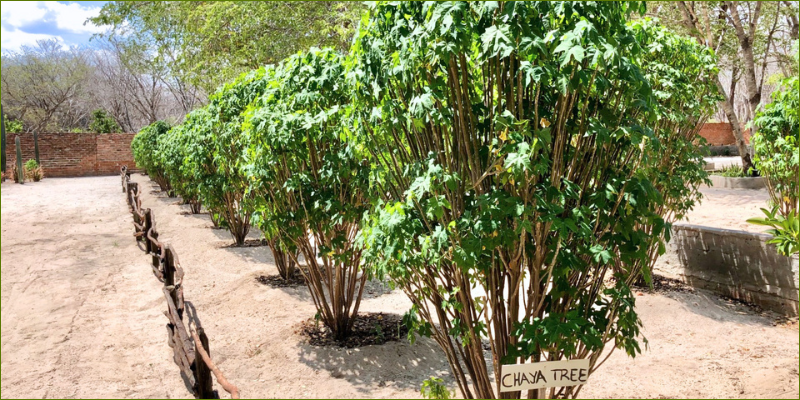
Those challenges are still very much part of everyday life around Dete (our small community in Hwange). Much of the food found in local shops has travelled long distances, often arriving from other parts of Zimbabwe or across the border before it reaches our tables. That reality has always encouraged us at Gobelo to ask a simple question: What can we grow here ourselves? That question has shaped almost everything we do. Every new fruit tree, herb, vegetable or livestock project begins with the same questions. Will it survive? Will it produce? Can it become something that benefits not only us, but others in the community as well? Each experiment teaches us something about farming in this unique corner of Zimbabwe.
The community itself has always found a way to survive and adapt as well. Cattle and goats are a big part of everyday life here, providing livelihoods for many families and remains one of the most reliable forms of agriculture in an environment where crops are not always guaranteed.
Gobelo is simply another chapter in Dete's long history of trying to grow food. We certainly have not yet solved all the challenges that come with farming in the region, but each season we learn something new that we get to share with the community. Perhaps that is what makes our work so rewarding.
Until next time,
the Gobelo Team