Good Seed and Food Festival
Oct 01, 2026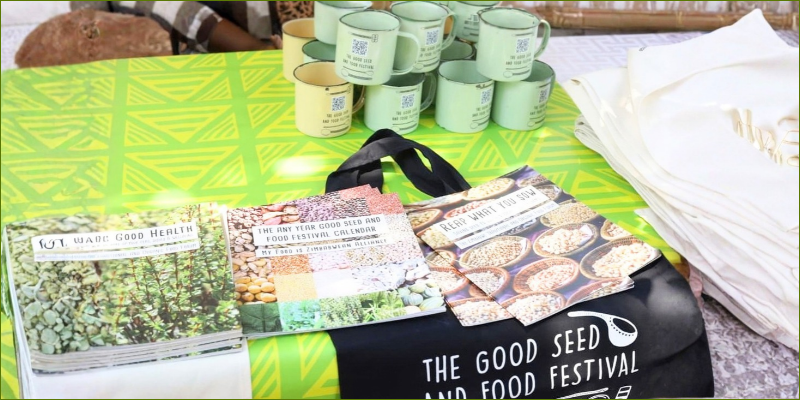
Gobelo recently had the opportunity to attend the Good Seed and Food Festival in Harare, an event that welcomes farmers, food producers, seed custodians, researchers, entrepreneurs and others who are interested in growing, preserving and enjoying African food. With so much happening around indigenous foods and sustainable farming, there was plenty to see, taste and talk about.
What made the festival particularly interesting for us was how many of the conversations connected with things we are already exploring at Gobelo. Hearing from other people working with similar ideas gave us plenty more to think about.
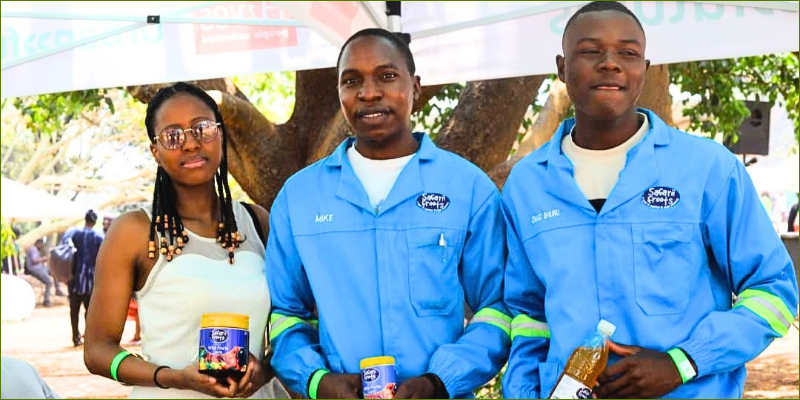
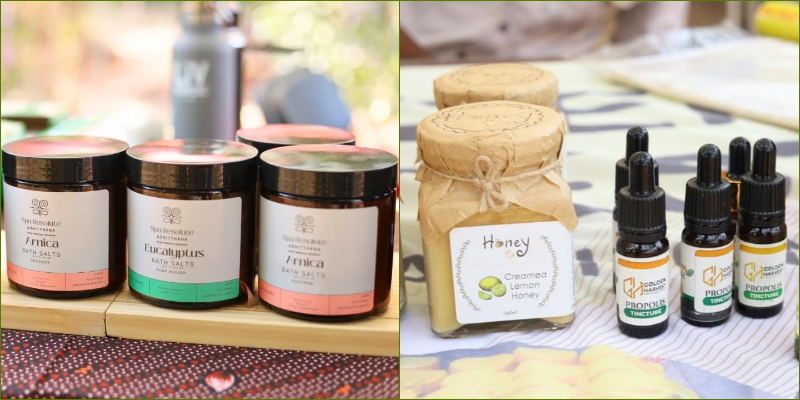
One of the big themes was indigenous product innovation. There are so many plants, seeds and traditional ingredients that have been part of local diets for generations, yet many of them are still underused. Across the festival, there were people finding new ways to turn these ingredients into food, drinks, wellness products and other useful products. That connected closely with another area that caught our attention...traditional knowledge about plants and food. Ethnobotany, which might sound like a big, very complicated word, is really about understanding how communities have used plants over generations. Which plants are useful and what parts can be eaten? What can be used for medicine, cooking or other purposes? At Gobelo, we have been learning more and more about the plants growing around us as well, so this is an area we are particularly interested in.
Then there was the farming side of things. The idea of “farming nature’s way” came up repeatedly, particularly in relation to low input farming and approaches that work with the environment rather than constantly trying to overcome it. This is especially relevant to us at Gobelo, where our sandy soil has taught us that you cannot simply plant something and expect it to grow. We have had to experiment with compost, natural fertilisers, moisture retention and different plants to see what works for us.
Seeds were another important part of the conversation. Seed sovereignty is, in simple terms, about communities having the ability to save, grow, multiply and share their own seeds rather than becoming completely dependent on outside sources. Community seed banks and traditional seed varieties are an important part of keeping that knowledge and diversity alive. For anyone interested in food security and resilient farming, the festival was the place to be, and we were all left with much to think about here.
The idea of closed loop and circular agriculture, which looks at ways of keeping resources in use for as long as possible, was an interesting one. It answered the question that many farmers and anyone with a garden always asks: what happens to everything else on a farm? We all learnt how to turn organic waste into compost, something we are already doing at Gobelo, how animal systems can support crop production and how things that are normally discarded can become useful somewhere else. This is another area that feels very familiar to us.
Gobelo is still learning and still very much interested in indigenous plants, traditional foods, sustainable farming and finding practical ways to use and reuse the resources we have. Meeting other people who are working in these areas always gives us new ideas to test and new questions to ask. So, as we continue growing, testing and occasionally wondering why a perfectly good plant isn't growing anymore, we will keep looking for ideas that can work for Gobelo. There is a lot happening around indigenous food and farming in Zimbabwe, and we are glad to be part of that conversation.
Until next time,
The Gobelo Team