Why is there so much sand in Hwange
Sep 03, 2026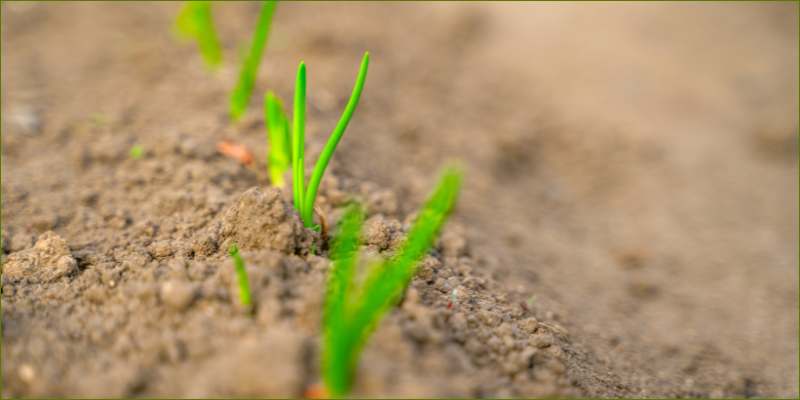
There is Kalahari sand everywhere in Hwange. It surrounds the trees, it’s on the tracks, it’s on our farm, it’s everywhere you look. For many people visiting for the first time, one of the most common questions we get is... “why is there so much sand here?”
When you spend your days trying to grow fruit and vegetables, the nature of the soil becomes something you think about quite a lot. We think about it so much that we have learned how to coax life from this sand. Sometimes we compost, sometimes we try clever planting, we have tested, we have failed, we have tested again, and our hands have dug into this ground. So it’s safe to say we have also asked ourselves that very question many times before… what exactly is going on beneath our feet?
Hwange’s geology is fascinating. It sits within the Kalahari sandveld, over bedrock that formed hundreds of millions of years ago, when the area was very different from what we see today. Ancient vegetation accumulated in wet environments and, over immense periods of time, was buried beneath layers of sediment. The heat and pressure eventually transformed much of this buried vegetation into coal, which is one of the reasons Hwange is so well known for coal mining today.
Much later, the landscape we see today began to take shape. Thick deposits of Kalahari sand accumulated across the region, covering the older geological layers beneath them. These sandy soils are very porous, so rainwater tends to drain through them quickly rather than remaining near the surface. For plants, that can make getting enough water a constant challenge, particularly during the long dry periods.
This combination of geology and sandy soil also plays an important role in Hwange’s wildlife story. Although the sandy soils do not hold water particularly well, water can collect in deeper geological layers beneath them. In Hwange National Park, boreholes have been drilled to reach these underground water sources, allowing water to be pumped into artificial waterholes during the dry season. These waterholes have become an important part of the park’s ecosystem and help support its wildlife through some of the harshest months of the year.
The landscape does look quite different from the richer, darker farmland soils found in other parts of Zimbabwe. It is hard to imagine farming here just by looking at it, and it is a challenge. That is why so much of what we do at Gobelo involves experimenting with the soil itself. We have spent time learning about composting, natural fertilisers, moisture retention and which plants are better suited to these conditions. Sometimes the answer is as simple as choosing a plant that naturally copes with sandy soil. Other times, it means improving the soil around the plant and finding ways to give its roots a little more support.
The sand is therefore both a challenge and a great teacher. It has forced us to pay attention to everything we grow, how we water, how we build healthy soil and how we make use of the resources available to us. It has also made us appreciate every successful harvest a little more.
The landscape we have is what it is, and we are still learning how to work with it. We may not have rich black soil, but that doesn’t mean we can’t grow things here. We just have to understand what we are working with and find ways to make it work.
Until next time,
The Gobelo team